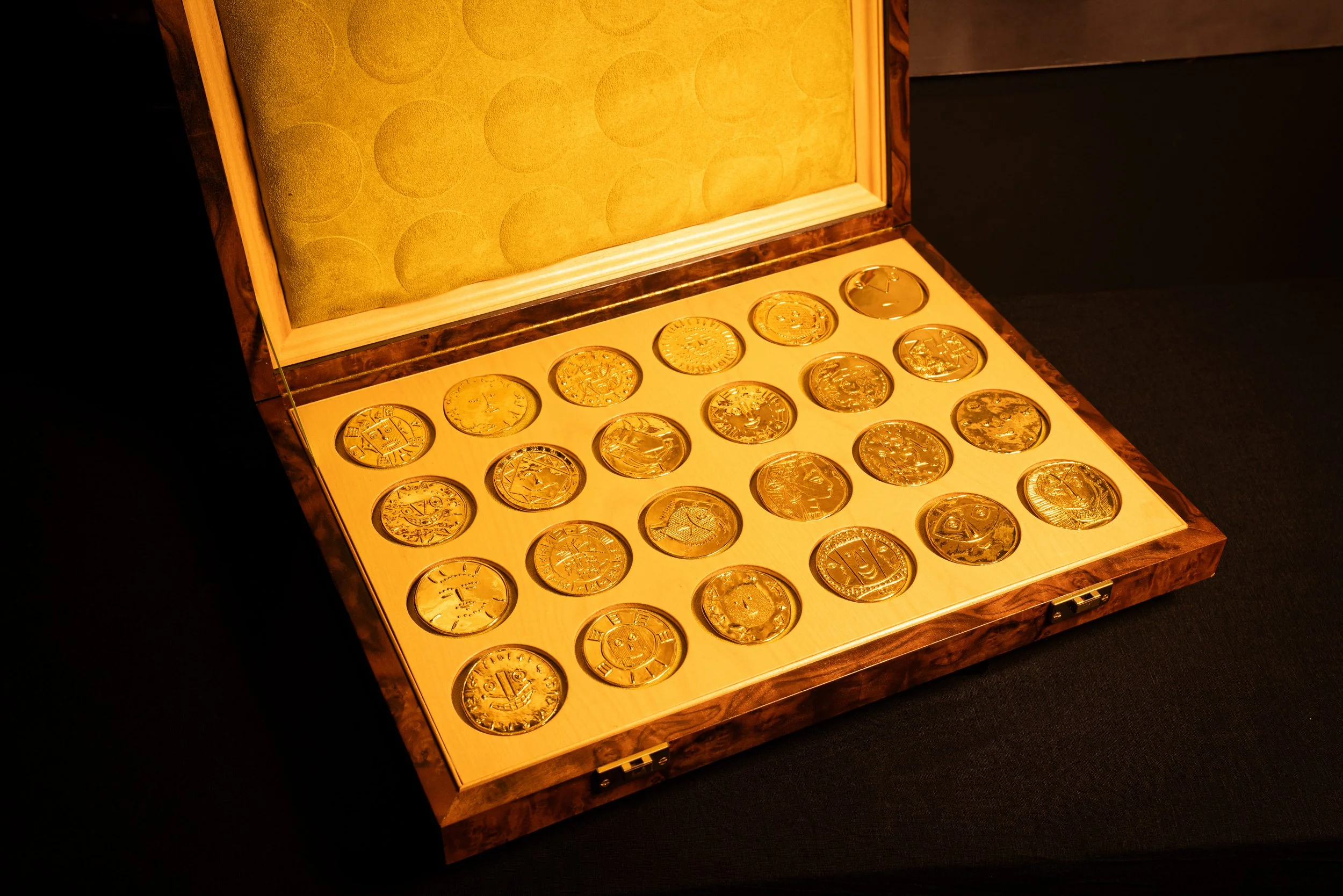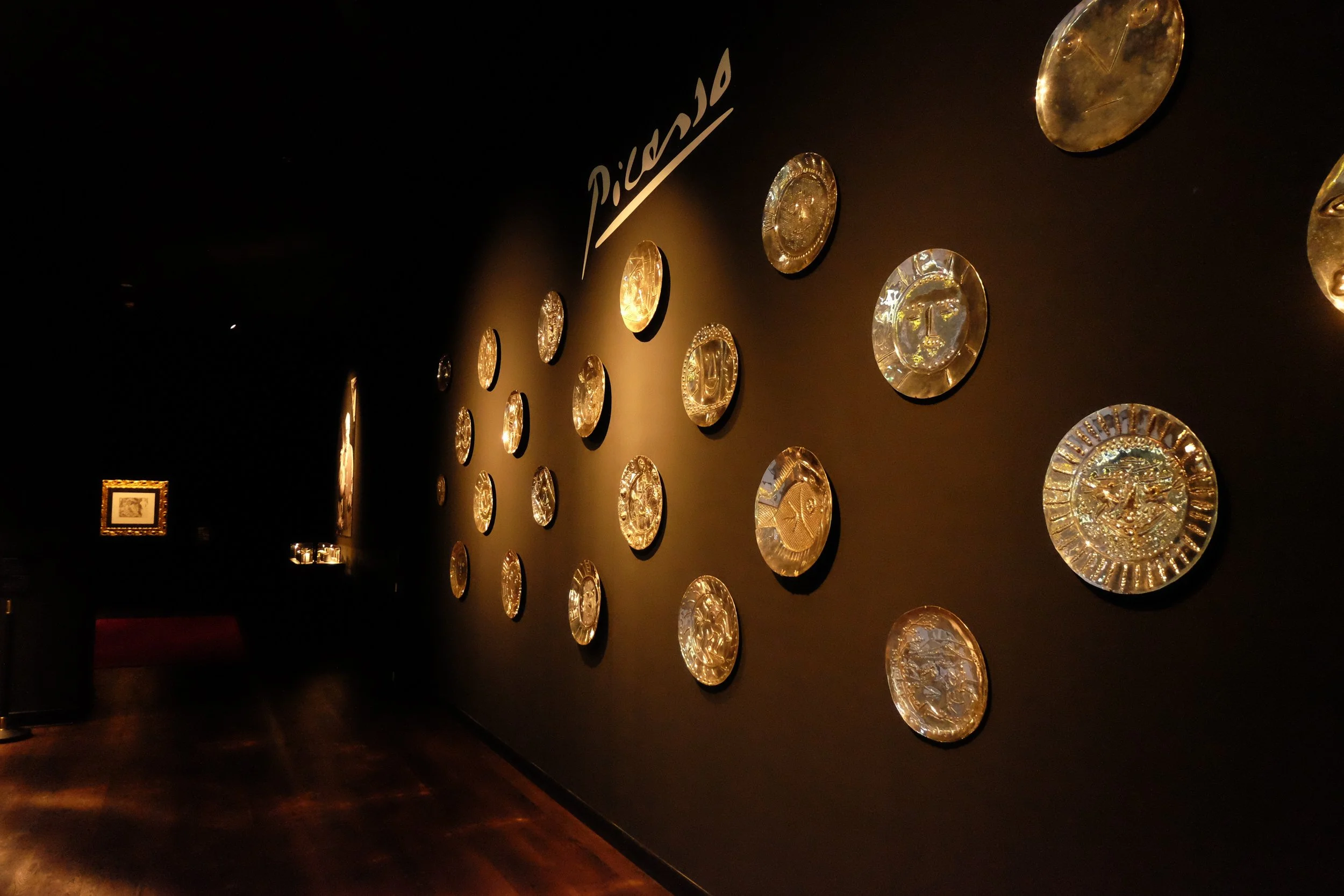
Picasso’s Gold and Silver Artworks
This exhibition presents a rare selection of Pablo Picasso’s gold and silver works, including medallions, plates, and lithographs. Shown for the first time in Dubai in summer 2025, the pieces are still on view at Hedonist Gallery Downtown. These limited edition collectible works highlight Picasso’s artistic legacy, rare gold and silver pieces, and the value of his later period creations.
About the Exhibition
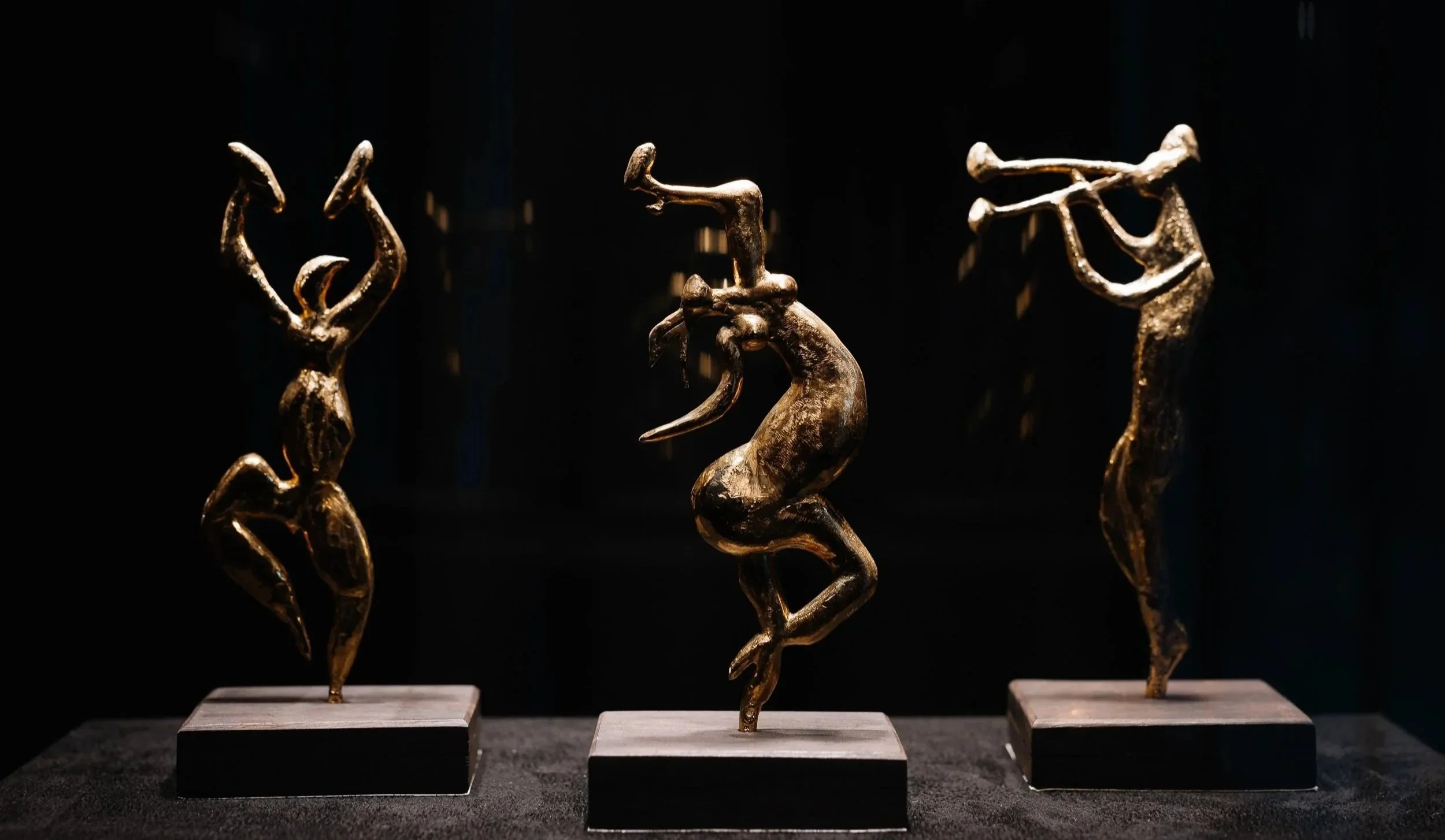
In the 1950s, Picasso began working with François Hugo to turn his drawings into gold and silver works. Initially for private use, the collaboration later produced small, numbered editions of plates, medallions, and other metal pieces, making them rare collectible artworks.
Collaboration with François Hugo
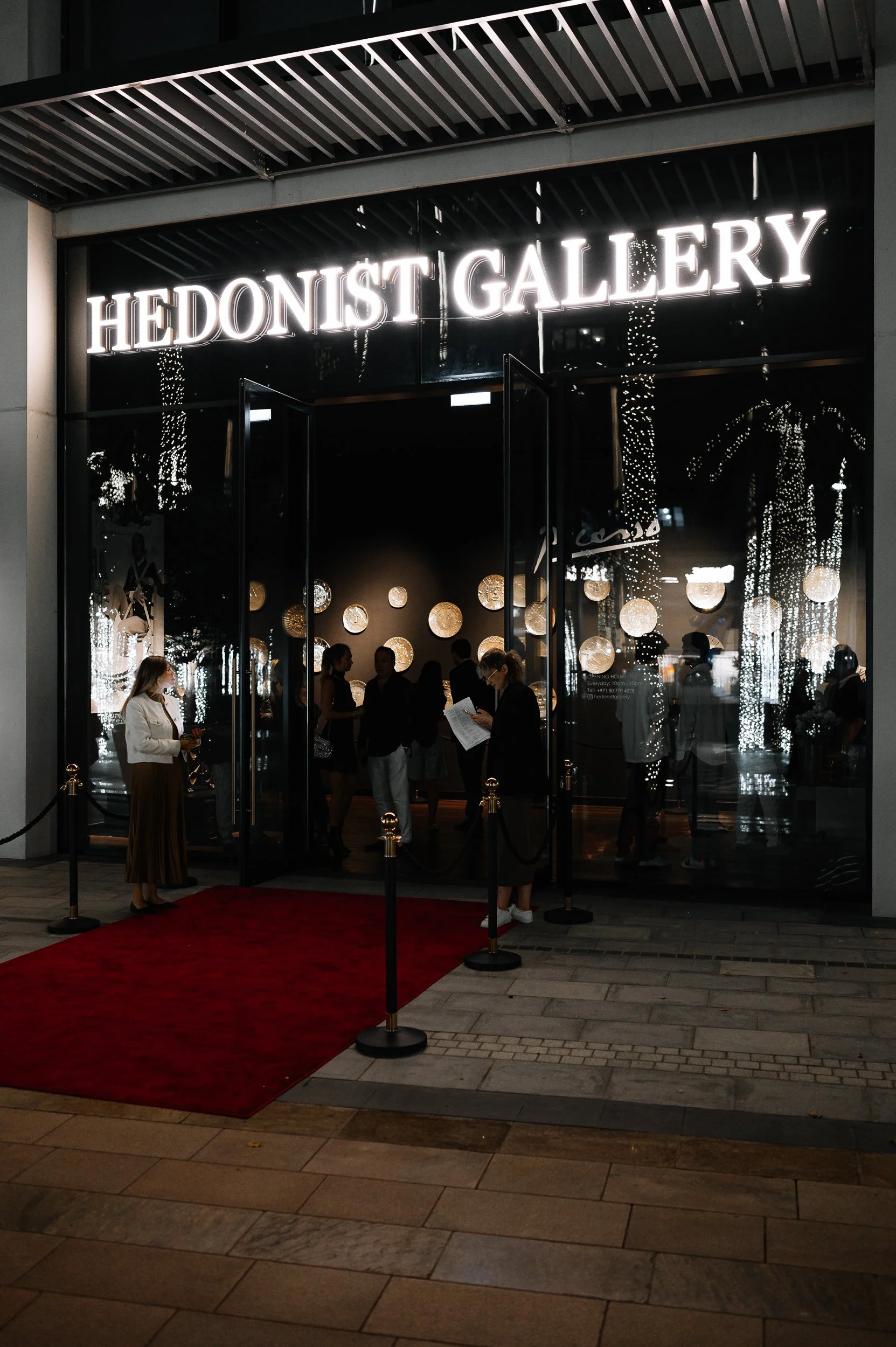
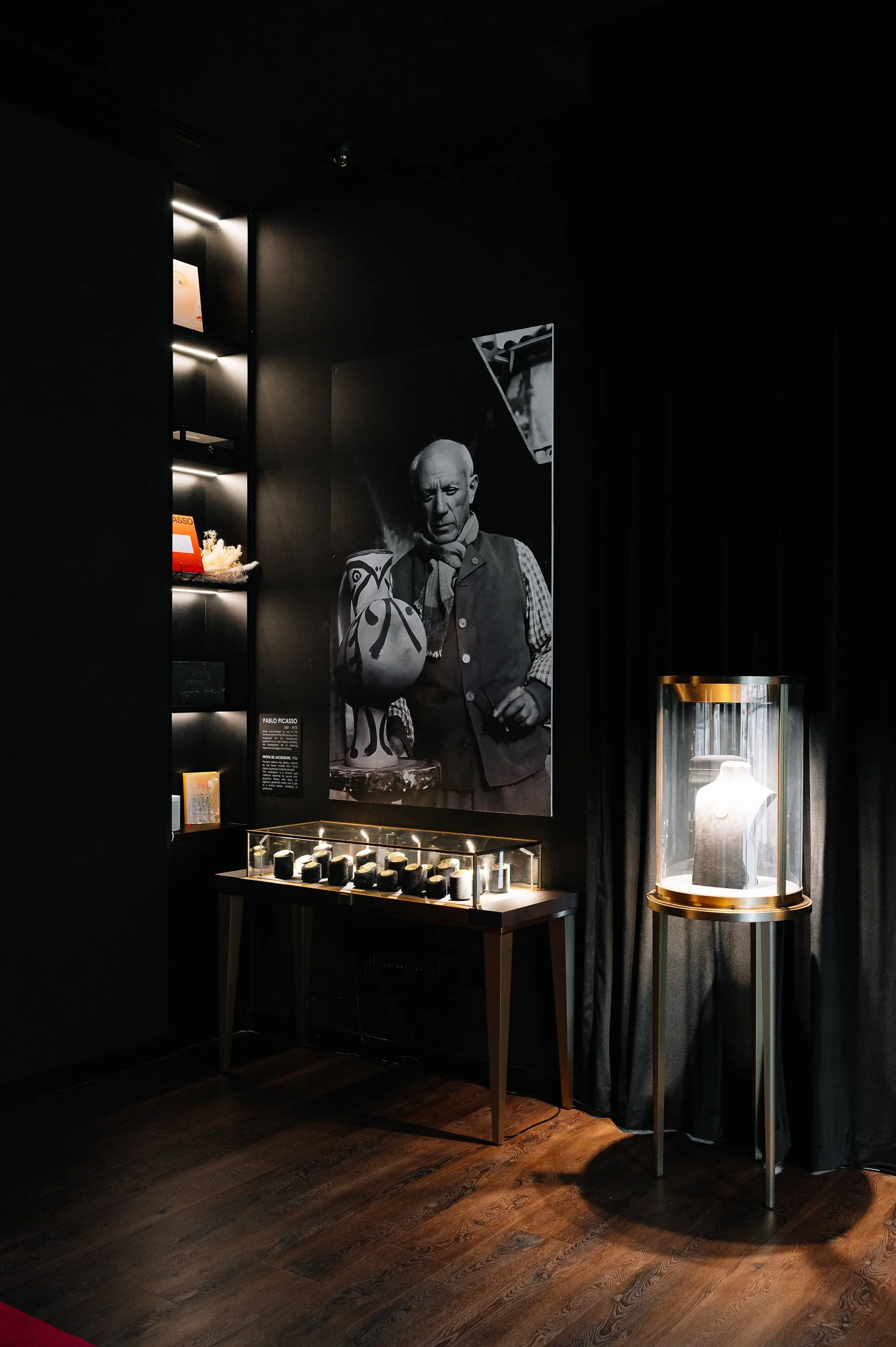
This rare collection of 23 karat gold medallions and silver plates by Pablo Picasso is only on view as a complete set at Hedonist Art Gallery in Dubai. These limited edition pieces are among the rarest collectible works available on the market, offering a unique chance to see the full series together.
The Significance of the Collection